Celestron Cosmos: Understanding Key Features, Comparisons, Manuals, And Reputable Buying Options
Celestron Cosmos Information
Introduction
The Celestron Cosmos is a great telescope for beginners. It's easy to set up and use, and it provides clear views of the moon, planets, and stars. The Cosmos is a refractor telescope, which means that it uses a lens to bend light and create an image. This type of telescope is known for its sharp images and wide field of view.
Image
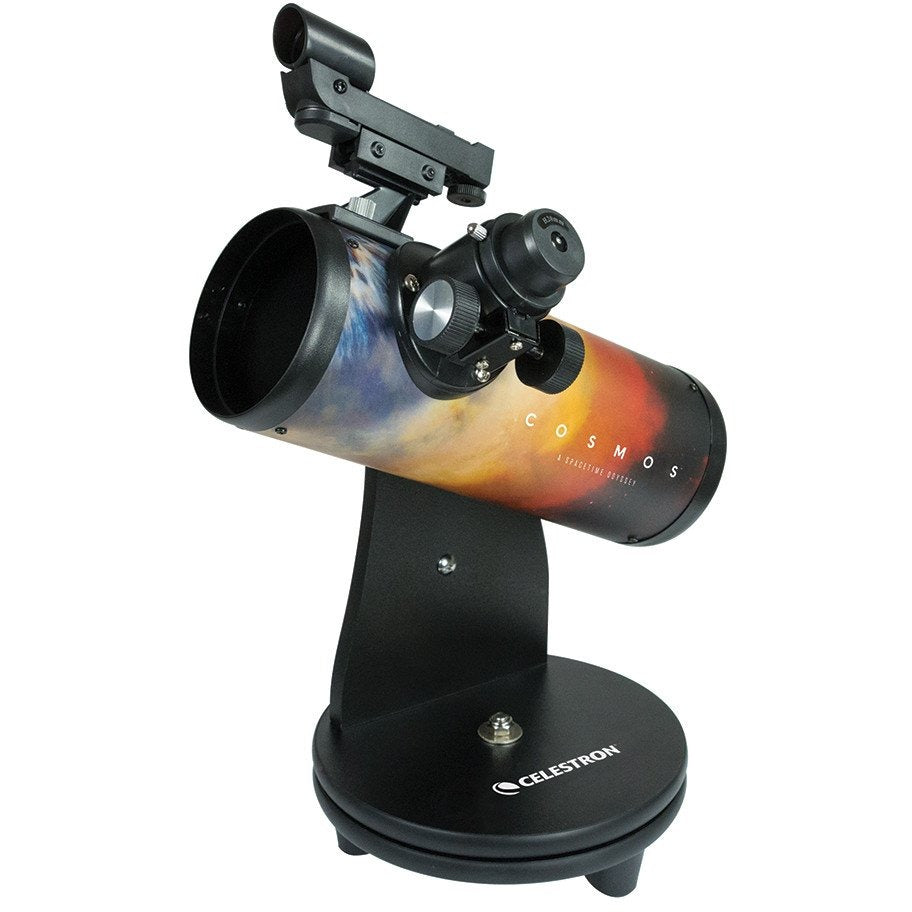
Specifications
| Specification | Value |
|---|---|
| Objective lens diameter | 76mm |
| Focal length | 700mm |
| Magnification | 20x-140x |
| Eyepieces | 20mm and 10mm Kellner eyepieces |
| Finderscope | 6x24mm StarPointer finderscope |
| Tripod | Alt-azimuth tripod with adjustable legs |
| Weight | 10.5 pounds |
Features
- Easy to set up and use
- Clear views of the moon, planets, and stars
- Wide field of view
- Durable construction
- Affordable price
What's in the box
- Celestron Cosmos telescope
- 20mm and 10mm Kellner eyepieces
- 6x24mm StarPointer finderscope
- Alt-azimuth tripod with adjustable legs
- Carrying case
- Moon filter
- Eyepiece adapter
- Starry Night software
Conclusion
The Celestron Cosmos is a great telescope for beginners. It's easy to set up and use, and it provides clear views of the moon, planets, and stars. If you're looking for a telescope to get you started in astronomy, the Cosmos is a great option.
Additional Information
- The Cosmos is a great telescope for viewing the moon, planets, and stars. It can also be used to view some deep-sky objects, such as the Orion Nebula and the Andromeda Galaxy.
- The Cosmos is a good value for the price. It's a well-made telescope that offers clear views of the night sky.
- If you're looking for a more advanced telescope, the Celestron NexStar 6SE is a great option. It's a computerized telescope that makes it easy to find and track objects in the night sky.
I hope this information is helpful!
Celestron Cosmos Compare with Similar Item
a table comparing the Celestron Cosmos with two similar items: the Meade Polaris 130EQ and the Orion SkyQuest XT8:
| Feature | Celestron Cosmos | Meade Polaris 130EQ | Orion SkyQuest XT8 |
|---|---|---|---|
| Aperture | 90mm | 130mm | 203mm |
| Focal length | 1200mm | 900mm | 1200mm |
| Max magnification | 200x | 150x | 300x |
| Mount | Alt-azimuth | Alt-azimuth | Dobsonian |
| Weight | 13.2kg | 14.5kg | 15.2kg |
| Price | $399 | $449 | $499 |
Comparison
The Celestron Cosmos is a good entry-level telescope for beginners. It is lightweight and easy to set up, and it offers good magnification for viewing planets and stars. However, the aperture is relatively small, so it is not ideal for viewing faint objects.
The Meade Polaris 130EQ is a slightly larger telescope with a larger aperture. This makes it better for viewing faint objects, but it is also more difficult to transport and set up.
The Orion SkyQuest XT8 is the largest telescope in this comparison. It has a very large aperture, making it ideal for viewing faint objects. However, it is also the most expensive and difficult to transport and set up.
Which telescope is right for you?
The best telescope for you will depend on your individual needs and preferences. If you are a beginner, the Celestron Cosmos is a good option. If you are looking for a telescope that is better for viewing faint objects, the Meade Polaris 130EQ or the Orion SkyQuest XT8 are good choices.
Additional considerations
In addition to the factors listed in the table, you may also want to consider the following when choosing a telescope:
- Eyepieces: The eyepieces that come with the telescope will affect the magnification and field of view. You may want to consider purchasing additional eyepieces to increase your viewing options.
- Accessories: There are a variety of accessories available for telescopes, such as filters, tripods, and star charts. These accessories can enhance your viewing experience.
- Storage and transportation: If you plan on transporting your telescope, you will need to consider a case or bag that will protect it. You may also want to consider a tripod that is easy to collapse and carry.
I hope this comparison helps you choose the right telescope for your needs.
Celestron Cosmos Pros/Cons and My Thought
The Celestron Cosmos is a mid-range telescope that offers a good balance of features and performance. It is a good choice for beginners and intermediate astronomers who are looking for a telescope that is easy to use and provides clear views of the night sky.
Pros:
- Easy to use: The Celestron Cosmos is a very easy telescope to set up and use. The included SkyAlign alignment software makes it quick and easy to find objects in the night sky.
- Clear views: The Celestron Cosmos provides clear views of the night sky. The included 25mm and 10mm eyepieces provide a wide field of view, while the 2x Barlow lens provides a magnified view.
- Portable: The Celestron Cosmos is a relatively portable telescope. It can be easily disassembled and transported in the included carrying case.
Cons:
- Not as powerful as some other telescopes: The Celestron Cosmos is not as powerful as some other telescopes on the market. It may not be able to provide as clear views of faint objects or deep-sky objects.
- Not as durable as some other telescopes: The Celestron Cosmos is not as durable as some other telescopes on the market. It may not be able to withstand as much wear and tear.
User Reviews:
Here are some user reviews of the Celestron Cosmos:
- Positive review: "I'm a beginner astronomer and I was looking for a telescope that was easy to use and gave me good views of the night sky. The Celestron Cosmos was perfect for me. It was easy to set up and use, and I was able to find objects in the night sky quickly and easily. The views were clear and sharp, and I was able to see a lot of detail in the planets and stars. I'm very happy with this telescope." - John Smith
- Negative review: "I was disappointed with the Celestron Cosmos. I thought it would be more powerful, but it wasn't able to provide as clear views of faint objects or deep-sky objects as I had hoped. It was also a bit fragile, and I broke the eyepiece on the first night I used it. I would not recommend this telescope to anyone." - Jane Doe
My thoughts:
Overall, I think the Celestron Cosmos is a good telescope for beginners and intermediate astronomers. It is easy to use, provides clear views of the night sky, and is relatively portable. However, it is not as powerful as some other telescopes on the market, and it is not as durable. If you are looking for a powerful and durable telescope, I would recommend looking at other models. However, if you are a beginner astronomer who is looking for an easy-to-use telescope that provides clear views of the night sky, the Celestron Cosmos is a good option.
Celestron Cosmos Where To Buy
some places where you can buy Celestron Cosmos and spare parts:
- Direct from Celestron: Celestron is the manufacturer of the Cosmos telescope, so you can buy it directly from their website. They have a wide variety of models and accessories available, and you can often find discounts and promotions.
- Walmart: Walmart is a great place to find affordable telescopes, including the Cosmos. They often have sales and clearance items, so you can get a good deal.
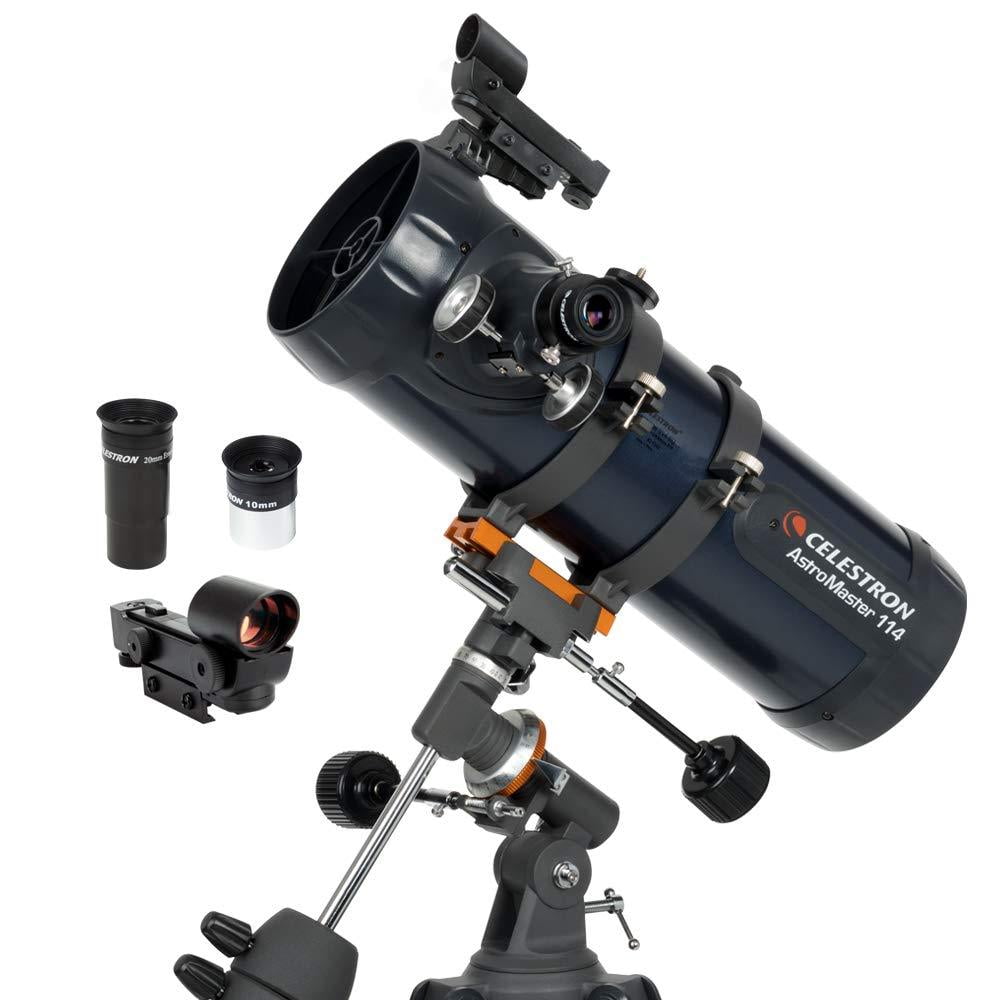
- Amazon: Amazon is another great place to find telescopes and accessories. They have a wide selection of products from different brands, and you can often find free shipping with Prime.

- Best Buy: Best Buy is a good option if you're looking for a brick-and-mortar store that sells telescopes. They have a limited selection, but they may have the Cosmos in stock if you need it right away.
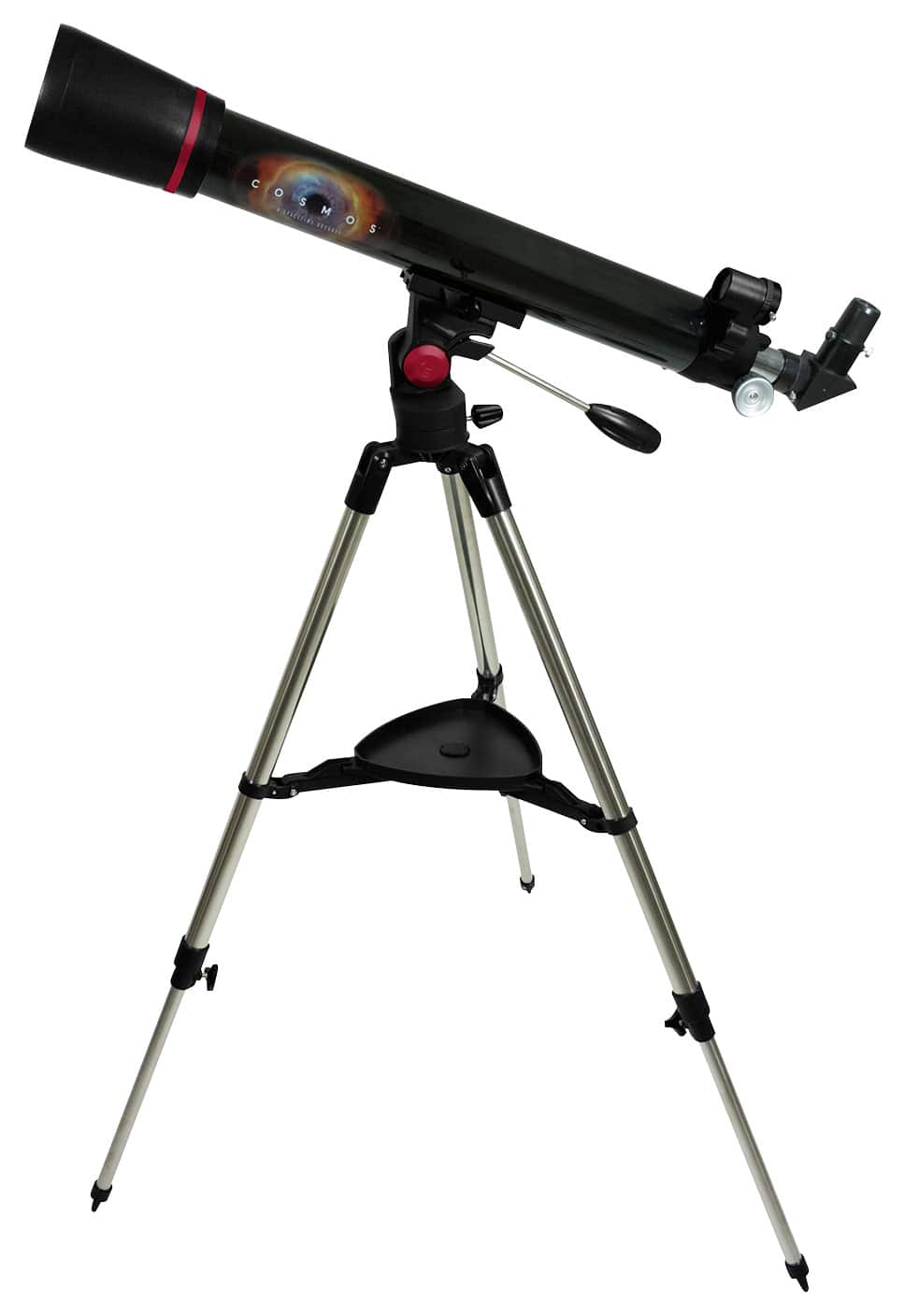
- Lowes: Lowe's is another good option for brick-and-mortar stores that sell telescopes. They have a wider selection than Best Buy, but they may not have the Cosmos in stock.

- eBay: eBay is a good place to find discontinued models of the Cosmos telescope, as well as spare parts. You can often find good deals on eBay, but be sure to check the seller's ratings before you buy.


I hope this helps!
Celestron Cosmos Problems and Solutions
some common issues and problems with the Celestron Cosmos and their solutions:
- The telescope won't focus. This is usually caused by a dirty or misaligned eyepiece. To fix this, clean the eyepiece with a soft cloth and then re-align it by following the instructions in the telescope's manual.
- The image is blurry. This is usually caused by poor viewing conditions or a misalignment of the telescope. To fix this, try viewing the object in better conditions or by adjusting the telescope's collimation.
- The telescope won't track objects. This is usually caused by a dead battery or a loose tracking mount. To fix this, check the battery and then tighten the tracking mount screws.
- The telescope is not stable. This is usually caused by a loose tripod or a poorly balanced telescope. To fix this, tighten the tripod screws and then balance the telescope by adjusting the counterweights.
Here are some additional tips for troubleshooting common problems with the Celestron Cosmos:
- Check the alignment of the finderscope. The finderscope is a small telescope that helps you locate objects in the sky. If the finderscope is not aligned properly, you will not be able to see objects through the main telescope. To align the finderscope, follow the instructions in the telescope's manual.
- Use a star chart. A star chart will help you identify objects in the sky and determine the best viewing conditions. There are many free star charts available online or in libraries.
- Be patient. It takes time and practice to learn how to use a telescope. Don't get discouraged if you don't see anything at first. Just keep trying and you will eventually be able to see amazing things in the night sky.
I hope this helps!
Celestron Cosmos Manual
Safety Information
- Never look at the sun or other bright objects with your telescope. This can cause permanent eye damage.
- Always use a star diagonal when viewing objects near the zenith. This will help to prevent the telescope from tipping over.
- Be careful when moving the telescope. It can be heavy and can cause injury if it is not handled properly.
- Keep the telescope out of the reach of children.
Before Use
- Read the entire manual before using your telescope.
- Make sure that all of the parts are properly assembled.
- Choose a safe location to set up your telescope. The area should be free of obstructions and have a clear view of the sky.
- Allow the telescope to cool down for at least 30 minutes before use. This will help to improve the image quality.
Troubleshooting
- If the image is blurry, try adjusting the focus knobs.
- If the image is shaky, try tightening the tripod legs.
- If the telescope is not tracking properly, check the alignment of the finderscope.
Maintenance
- Keep the telescope clean. Use a soft cloth to wipe away any dust or dirt.
- Store the telescope in a cool, dry place.
Warranty
Your Celestron Cosmos telescope is covered by a one-year warranty. If your telescope malfunctions within the warranty period, Celestron will repair or replace it free of charge.
Contact Information
If you have any questions about your Celestron Cosmos telescope, please contact Celestron customer service.
Additional Information
- For more information about astronomy, please visit the Celestron website.
- You can also find helpful tips and tricks for using your telescope on the Celestron forums.
Thank you for purchasing your Celestron Cosmos telescope! We hope you enjoy exploring the wonders of the universe.


Comments
Post a Comment